
Why we do not pray for the departed… and how every ceremony reveals the One-Mind within.
Dear friend of the present moment, esteemed reader,
Last weekend we were called again to come back into the Womb of Mother Earth… and participated in a traditional Lakota Inípi (Sweat Lodge) ceremony.
There is something that happens when you enter that sacred space. The body begins to soften, the mind begins to quiet, one gets very humbled, and what remains is a raw, immediate presence. Surrounded by darkness, heat, steam, and prayer, you are returned to something ancient… something that was never learned, only remembered.
The Inípi is not just a ritual. It is a return.
A return to the Earth, to humility, to truth.
Inside the lodge, there is no separation. No roles. No stories to maintain.
Only breath… only heartbeat… the drum, the traditional sacred songs, … and only the silent recognition of the One-Mind expressing through all.
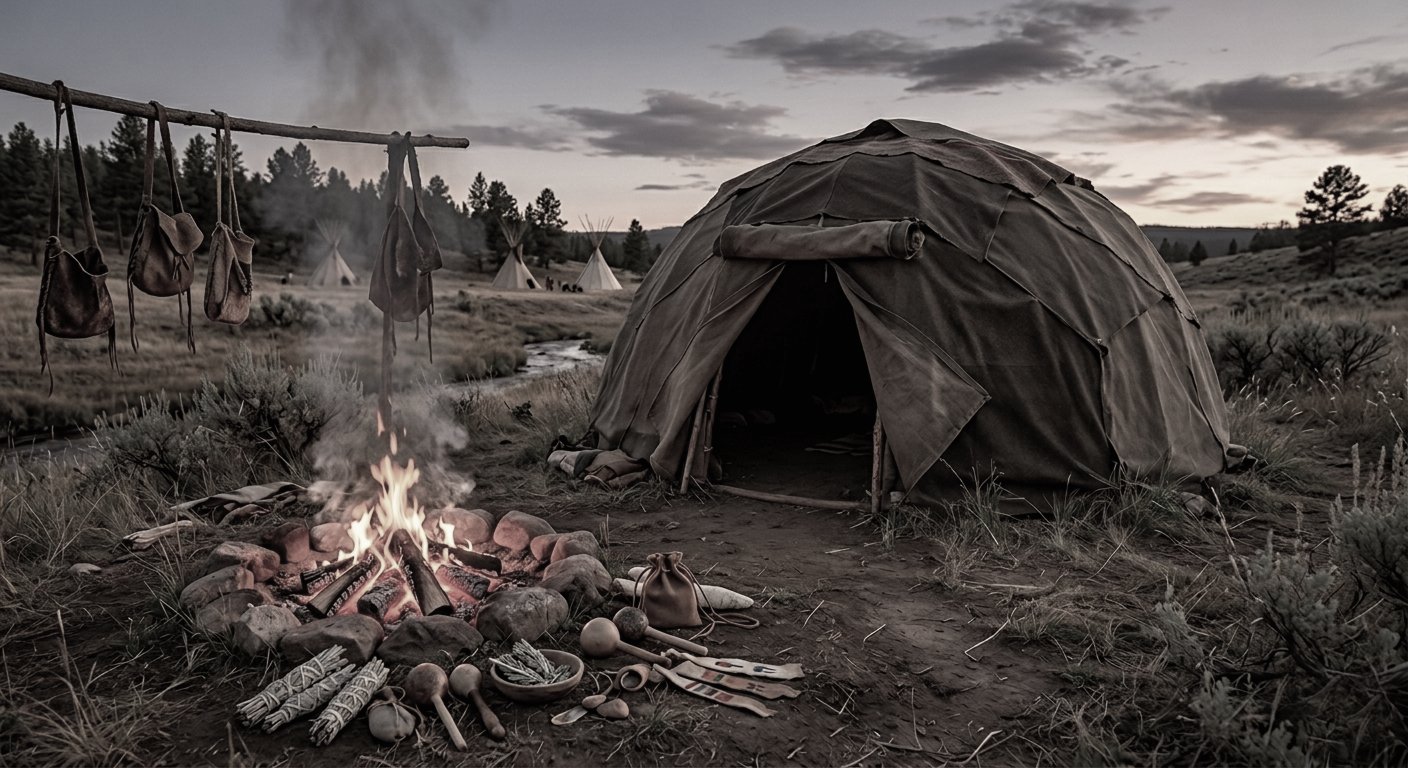
Fig. 1 Traditional North American Sweat Lodge (Lakota: Inipi)*
During the ceremony, one person asked a question that touched many hearts:
Should we pray for someone who has recently passed… to support their transition?
Or is their journey already set, beyond any influence?
And what came through was simple, clear… and perhaps not what the mind expects:
As an old folk saying reminds us,
“We do funeral ceremonies for the community, not for the deceased.”
In the same way, when we pray “for them”… who is it truly for?
" The soul would have no rainbow if the eyes had no tears"
Because the one who has passed is no longer within the manifested realm as we perceive it. What we call "them" has dissolved back into the Great Mystery, into that which has no form, no boundary, no identity.
So when we pray…
we are not reaching them.
We are softening ourselves.
We are loosening the grip of the mind that wants to hold on, to define, to keep what cannot be kept. We are allowing the illusion of separation to gently dissolve.
Grief, in this light, is not wrong. It is sacred.
It is the movement of love learning to release form.
" In the circle of life, there is no end and no beginning, only the movement of Spirit."
When this is deeply innerstood, something shifts.
You no longer relate to others as separate entities that can be lost.
You begin to feel them as expressions of the same One-Mind… appearing, disappearing, reappearing… never truly gone.
And so prayer becomes something different.
Not a reaching outward.
Not a negotiation with fate.
It becomes a remembrance.
A remembrance of what is real.
Later that same weekend, we entered into a Yuwipi Ceremony… one that lasted through the entire night, into the early morning hours.
The Yuwipi is a sacred Lakota ceremony of healing and connection with Spirit. The medicine person “the man in the middle” is bound physically, wrapped and held in place, as the lights are extinguished. In complete darkness, prayers are sung, and what unfolds cannot be explained through logic alone.
There are sounds. Movements. Presences.
The unseen becomes tangible.
It is not about spectacle. It is about trust.
Trust in the unseen, trust in Spirit, trust in the intelligence that moves beyond the human mind.
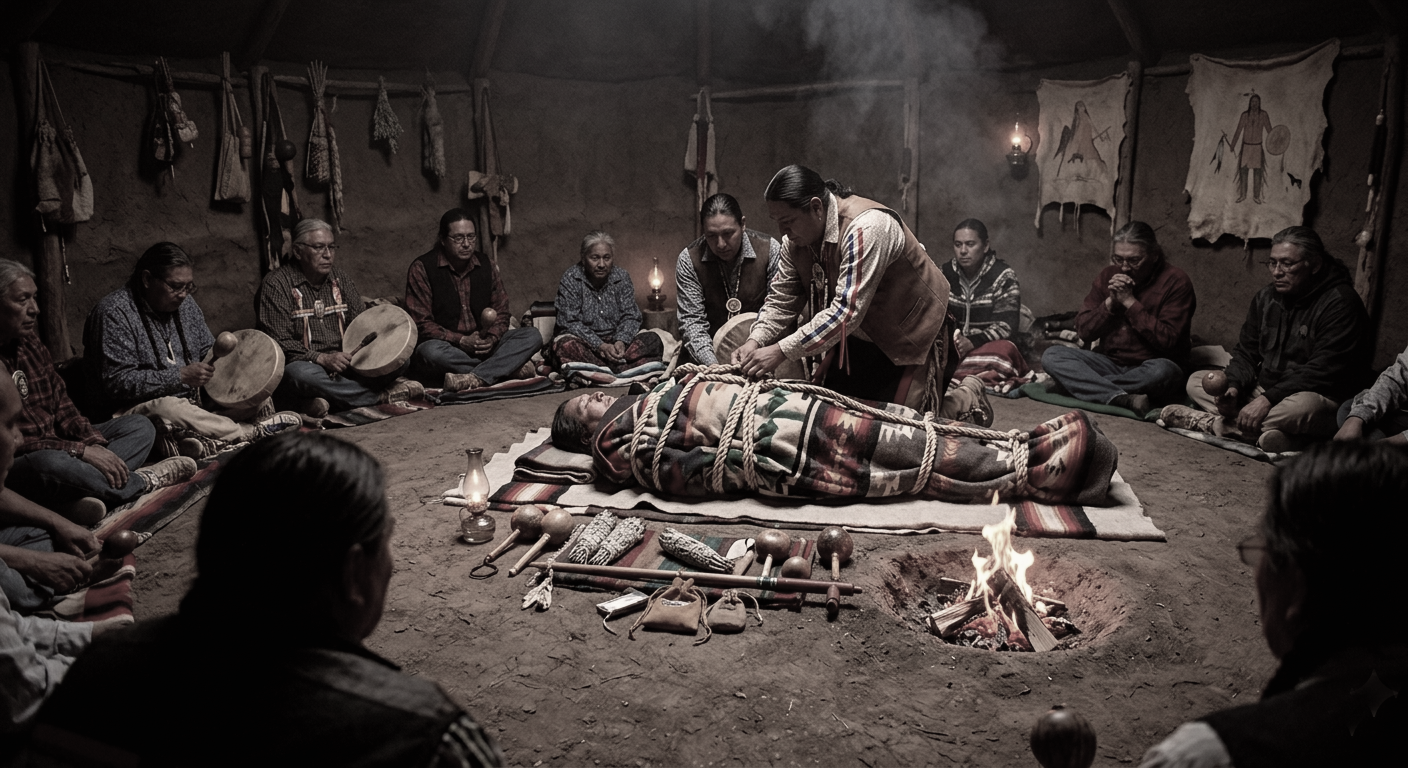
Fig. 2 Traditional Lakota Yuwipi Ceremony*
Before the actual beginning of the Yuwipi ceremony, a person from the community came forward to offer their Wópila.
Wópila means gratitude.
A deep gratitude was shared with community for all that has unfolded along each path, a heartfelt giving of thanks not only for what is seen as “good,” also for the challenges, the lessons, and for life itself in all its expressions.
The young woman who offered the Yuwipi shared gifts as an expression of gratitude to the community, honoring their energetic, emotional, and practical support.
" We do not give thanks because life is easy. We give thanks because life is sacred."
To witness this is to be reminded of something essential:
Gratitude is not dependent on circumstance.
It is a recognition of the sacredness of existence itself.
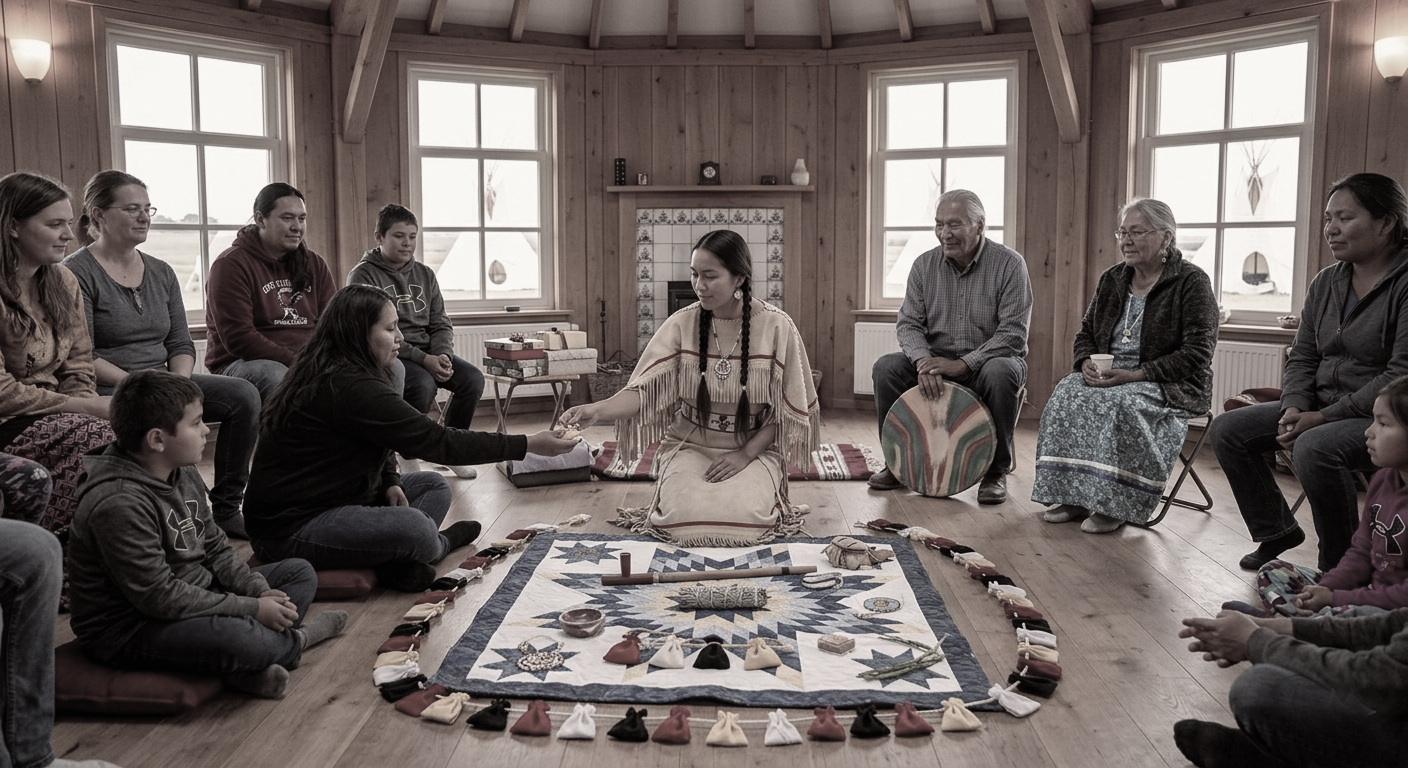
Fig. 3. Traditional Lakota Wópila offering*
As the hours passed, something subtle became clear.
These ceremonies are not here to fix anything.
They are not here to change reality.
They reveal reality.
They strip away the illusion that we are separate, isolated beings navigating a fragmented world. They bring us face to face with the direct experience that everything is interconnected, everything is alive, everything is One.
And in that recognition… something relaxes.
The need to control softens.
The need to hold on loosens.
The need to seek begins to dissolve.
What remains is a quiet, grounded presence.
A knowing without words.
So what is the invitation for you?
To see that even without a lodge… even without a ceremony… this truth is already here.
You do not need sacred space to access the sacred.
You are the space.
When someone leaves this world, allow yourself to feel… and also to see beyond form.
When life brings challenge, allow yourself to soften… and to recognize the deeper movement.
When gratitude arises, let it expand beyond conditions.
Because in essence…
there is no coming and going.
No gaining and losing.
Only the One-Mind, expressing as all of this.
And when this is truly innerstood, life becomes a ceremony in itself.
A continuous unfolding of presence, gratitude, and quiet reverence.
May you rest in the knowing that nothing real can be lost.
May your heart soften into the rhythm of what is.
May you walk gently, seeing the sacred in every form and beyond all form.
May gratitude become your natural state, and presence your home.
Mitakuye Oyasin – With all my Relations
Bear Saorin
The One Mind Sanctum
P.S. What if the one you are missing has never truly left… and what you are feeling is the invitation to recognize them beyond form?
P.P.S. I wholeheartedly recommend anyone who has the opportunity to participate in a traditional Sweat Lodge ceremony – and, when genuinely called, also in a Yuwipi Ceremony – as these sacred spaces can profoundly assist the expansion of awareness, grounding deeper spiritual realizations into the embodied experience of earthly life.
*) The imagery used is symbolic in nature and intended to artistically reflect the atmosphere and sacredness of these traditions.




Responses